

Two Rosters, One Storage Lot: Renters Need a Clear Payment Record
A renter wants to see what they owe and which months their payment covers. BayRoster gives them a private statement link. It grew out of the spreadsheet I used for my own storage lot. PineRoster carries the same idea into seasonal campgrounds.
The renter's record, beside the space
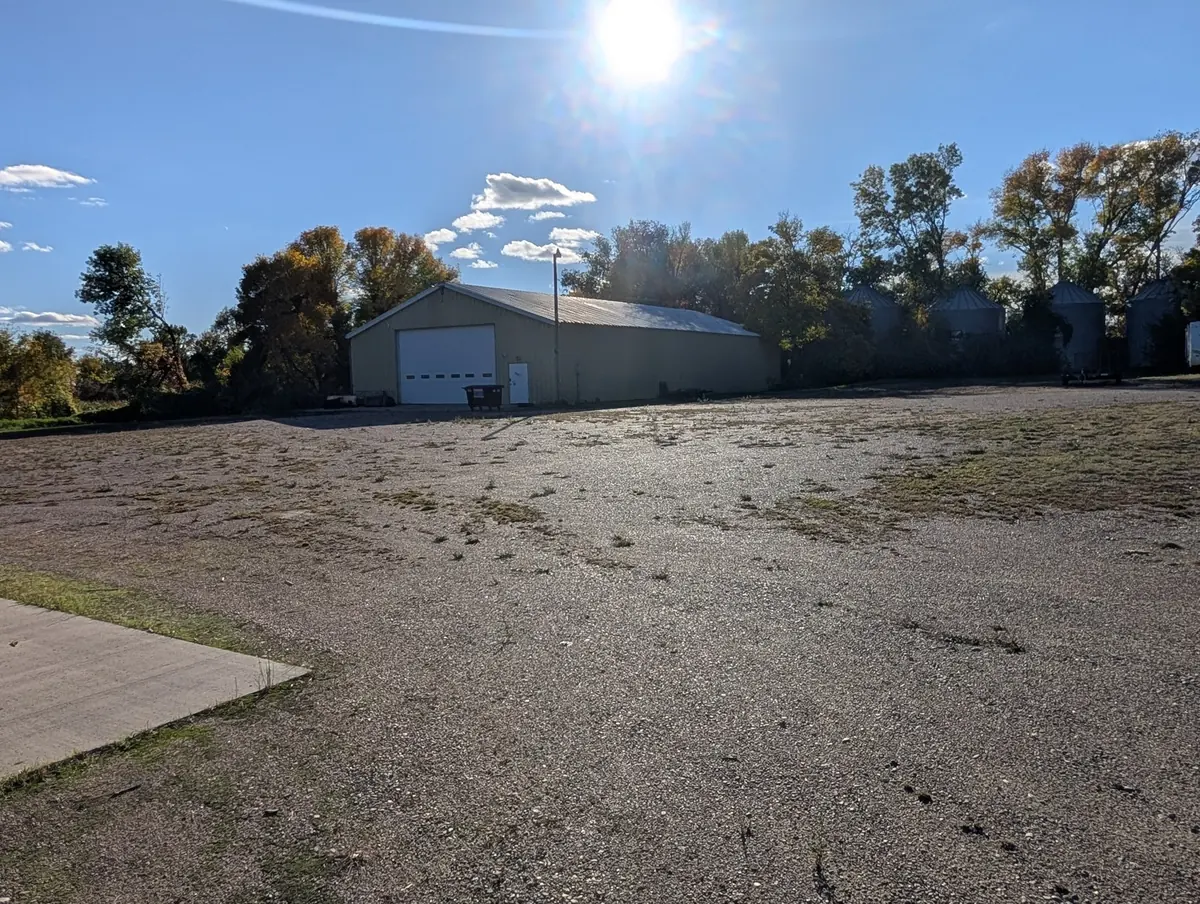
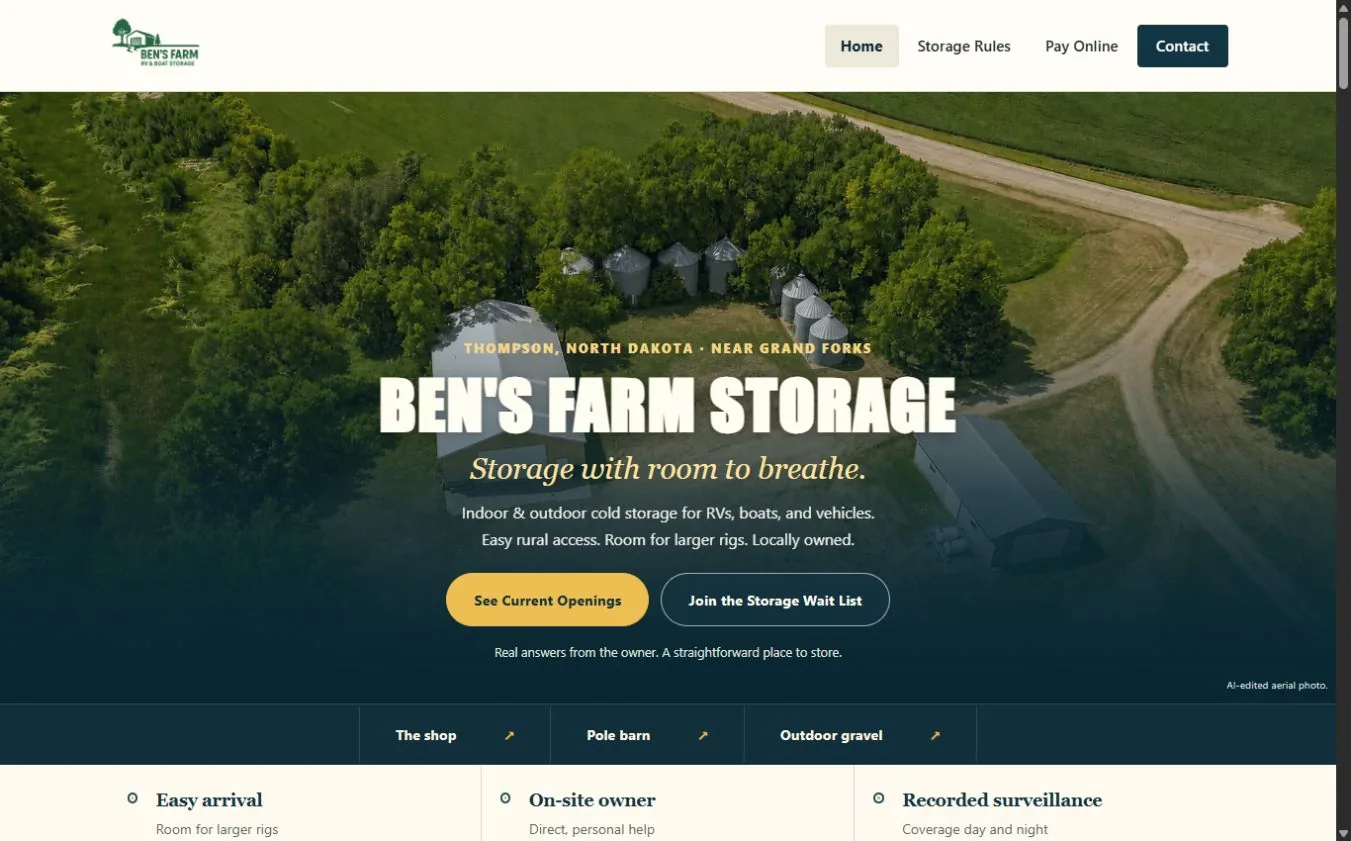
Ben's Farm is my storage operation in Thompson, just south of Grand Forks. I store RVs, boats, cars, trailers and equipment in buildings and outside. I built BayRoster around that work.
The map places rows, numbered units and buildings where they belong on the property. Fixed boat slips can be included, too. A renter's record stays attached to their occupancy rather than becoming another note to look up.
On paid-until billing, a green space is current. Amber marks a date coming due inside three weeks. Overdue spaces turn red. Blue means there isn't a paid-until date. Those colors come from the records. Correcting a date also changes the color; it isn't proof that a payment arrived.
A transfer confirms the new space, date and rate. The old occupancy closes with its history intact. That's useful when a renter moves indoors and later asks about an earlier payment.
A statement the renter can open
The statement shows rented spaces, charges, payments and the paid-until date. Renters open their own record from a link without making an account. Keep that link private: anyone holding it can read the statement.
Online billing starts off. With Stripe payments set up and enabled, renters can pay by card or bank transfer. The account sets the amount; the renter doesn't type a price into a box. Stripe's processing fees still apply.
A direct-billed renter three months behind sees all three months owing, across their rented spaces. Self-service quotes stop at twenty-four months. Older arrears need the owner's review.
An eligible paid-up renter on direct billing can pay one to twenty-four months ahead. Arrears or a ledger balance prevent that option. A ledger is the mode that keeps individual charges and allocates payments against them.
Payments are checked with Stripe before they are applied. Unclear matches wait for review. Cash and checks can be recorded by hand, with the resulting date shown before saving.
Booking on the property website
Booking is another option that starts disabled. Once configured, a new renter can choose an offered space and move-in date. They read the price and agreement, pass the spam check and pay by card.
The checkout holds the space for fifteen minutes. Confirmation depends on verified Stripe payment, rather than merely reaching a success page. A request matching an existing renter waits for the owner's decision first.
I use this booking route at Ben's Farm. Winter storage there has a five-month prepaid minimum. That is my property's term, not a requirement for every BayRoster installation.
A confirmed booking is not an automatic move-in or a payment posted to the ordinary account ledger. Arrival and placement remain part of the owner's workflow.
Check the limits before changing systems
BayRoster handles monthly and seasonal storage. It doesn't run nightly reservations, gate hardware or scheduled autopay. It also doesn't replace accounting, payroll or tax software.
A payment export helps the person doing the books. It isn't a full backup of the installation. Check the export fields and any required integrations before deciding to move.
It doesn't show the lake on my lawn, either. Four inches of rain made one there while the gravel stayed dry. Nobody has asked about lakefront storage yet.

PineRoster keeps the seasonal account together
A camper needs the season's balance and payment dates to agree. PineRoster ties those records to a map of the park. It's built for monthly and seasonal campgrounds, with Minnesota, North Dakota and South Dakota as its initial market.
I explained the billing difference in the seasonal campground article. A season charge can have dated installments. Missed installments affect the status, while next season's deposits stay distinct from the current season's money.
Campers get their own balance link. Direct billing uses paid-through dates; accounts with charges also use balances and installment status. The balance depends on the account's billing mode, not just a date on the map.
PineRoster has optional card-on-file autopay. It starts disabled and needs payment setup, written terms and the camper's authorization. BayRoster does not offer scheduled autopay. Neither product takes nightly reservations.

What the owner pays
The current monthly price for either roster is $60, covering the property website, hosting and software. Setup is quoted for the property. The monthly charge doesn't grow with the site count or staff count.
For a referral, I pay $200 after a new customer's setup is finished and their first monthly bill is paid. Self-referrals and extra properties for an existing customer don't qualify. The published referral terms explain how to claim it.
The PineRoster demo uses invented camper records. The BayRoster demo is fictional as well. Card processing and email delivery are disabled in both; do not enter actual customer information.
See whether the map fits your work
Open the fictional storage property and inspect a renter's record. Compare that view with what you need to answer each week.
Try the Live Demo